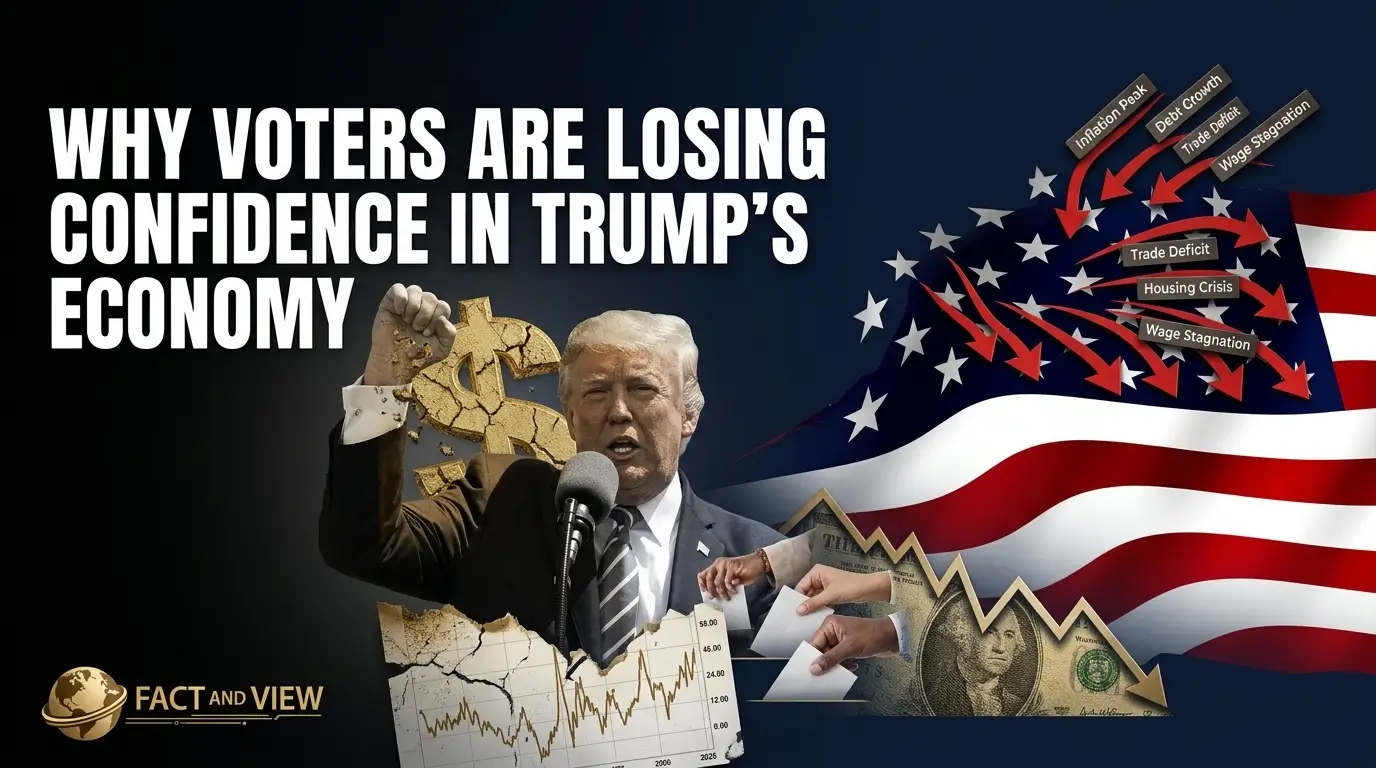
A growing number of Americans are turning against President Donald Trump’s handling of the economy, according to several new national polls released in early May 2026. Rising inflation, surging fuel prices, and mounting concerns over the ongoing conflict in Iran appear to be reshaping public opinion just months before the midterm elections.
Recent polling data shows that more than half of U.S. voters now disapprove of Trump’s economic leadership, with economic approval ratings falling into the high-30% range in several surveys. Independent voters — often the deciding force in national elections — are showing the sharpest decline in support.
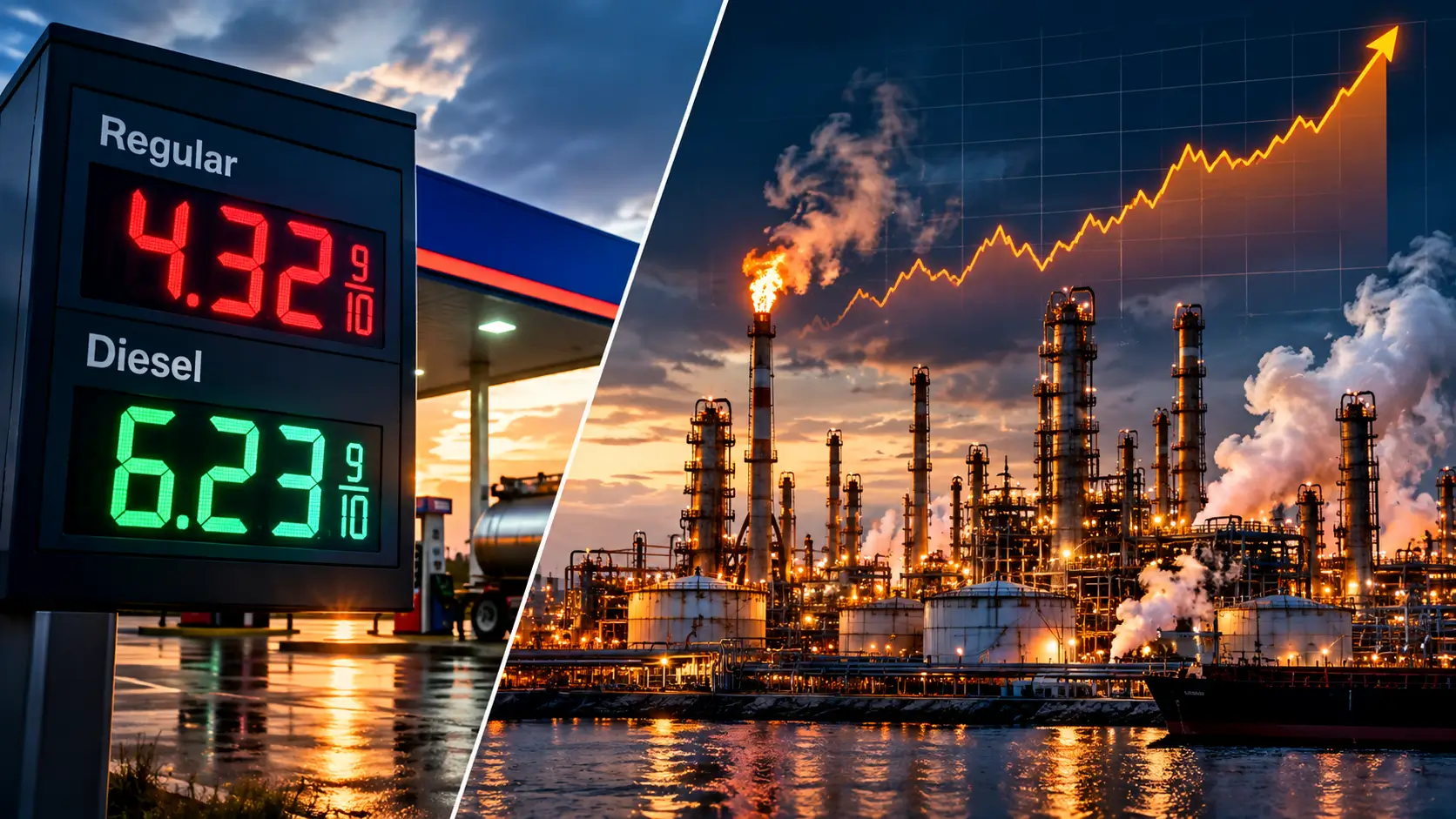
The biggest issue remains the cost of living. Americans continue to face elevated prices on essentials including gasoline, food, and housing. Many voters also believe the administration’s tariff policies could push prices even higher throughout 2026.
Growing economic frustration is also fueling broader fears about the direction of the U.S. economy, with increasing debate over whether America could face a larger slowdown or even a recession in the coming years. To better understand the long-term risks, read our full analysis on whether the US economy could crash in 2026 and what experts expect next.
The Iran conflict has added further pressure. Rising tensions in the Middle East have contributed to higher oil prices and renewed fears of another inflation spike, weakening one of Trump’s traditionally strongest political advantages: the economy.
For Republicans, the timing is difficult. Economic dissatisfaction historically becomes a major factor ahead of midterm elections, particularly when independent voters begin shifting away from the ruling party.
The White House has defended its policies, arguing that long-term economic stability will improve through deregulation and tax measures. But for many Americans, the immediate concern remains simple: everyday life is becoming more expensive.
Sources:
Financial Times,
Reuters,
Washington Post/Ipsos Polling Data