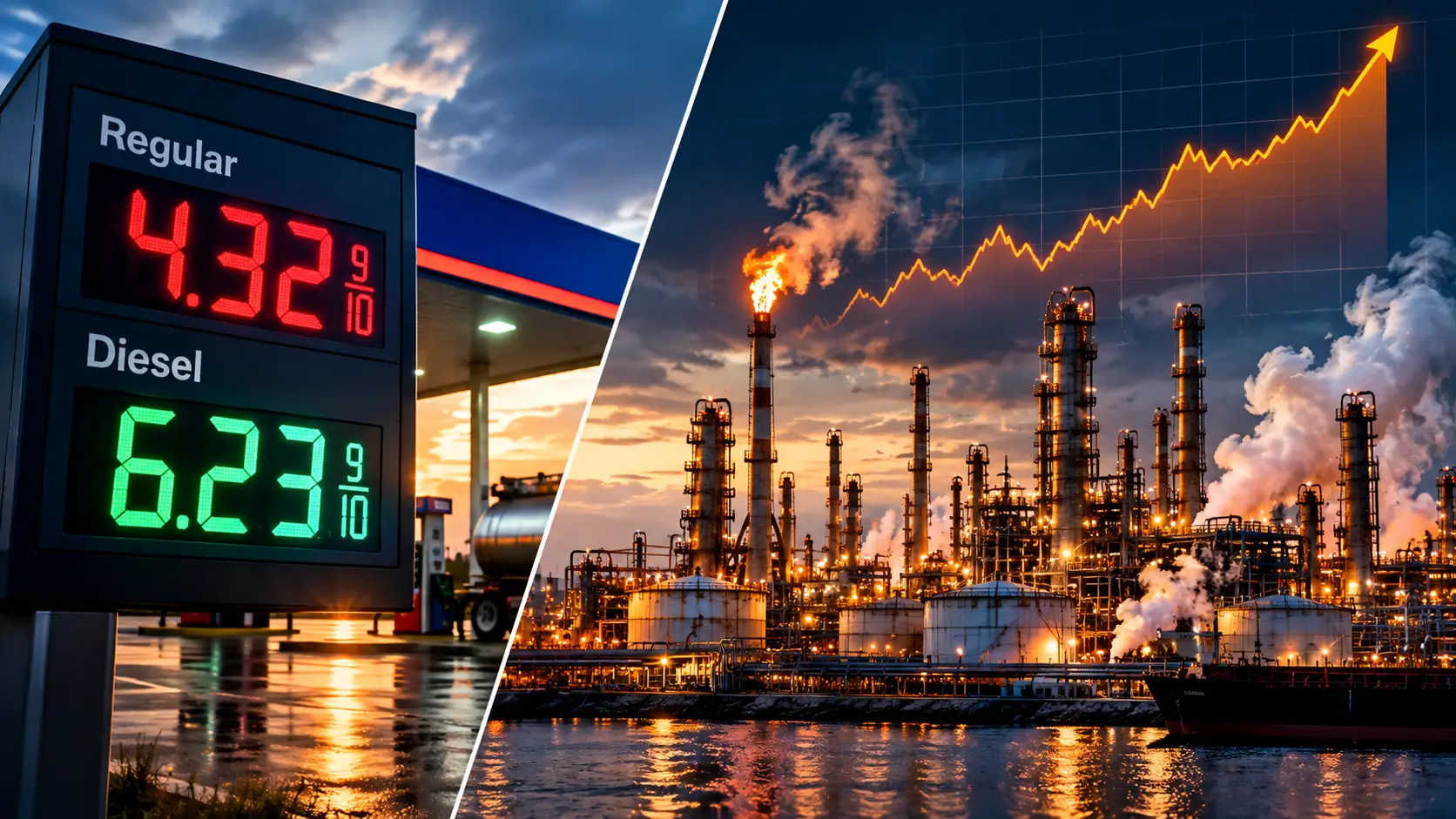
If you filled up your tank this week, you probably noticed the number on the pump hasn’t been this ugly in years. There’s a good reason for that, and it has nothing to do with your local gas station. It’s happening 7,000 miles away, in a narrow strip of water most Americans couldn’t point to on a map: the Strait of Hormuz.
A narrow strait, a giant problem
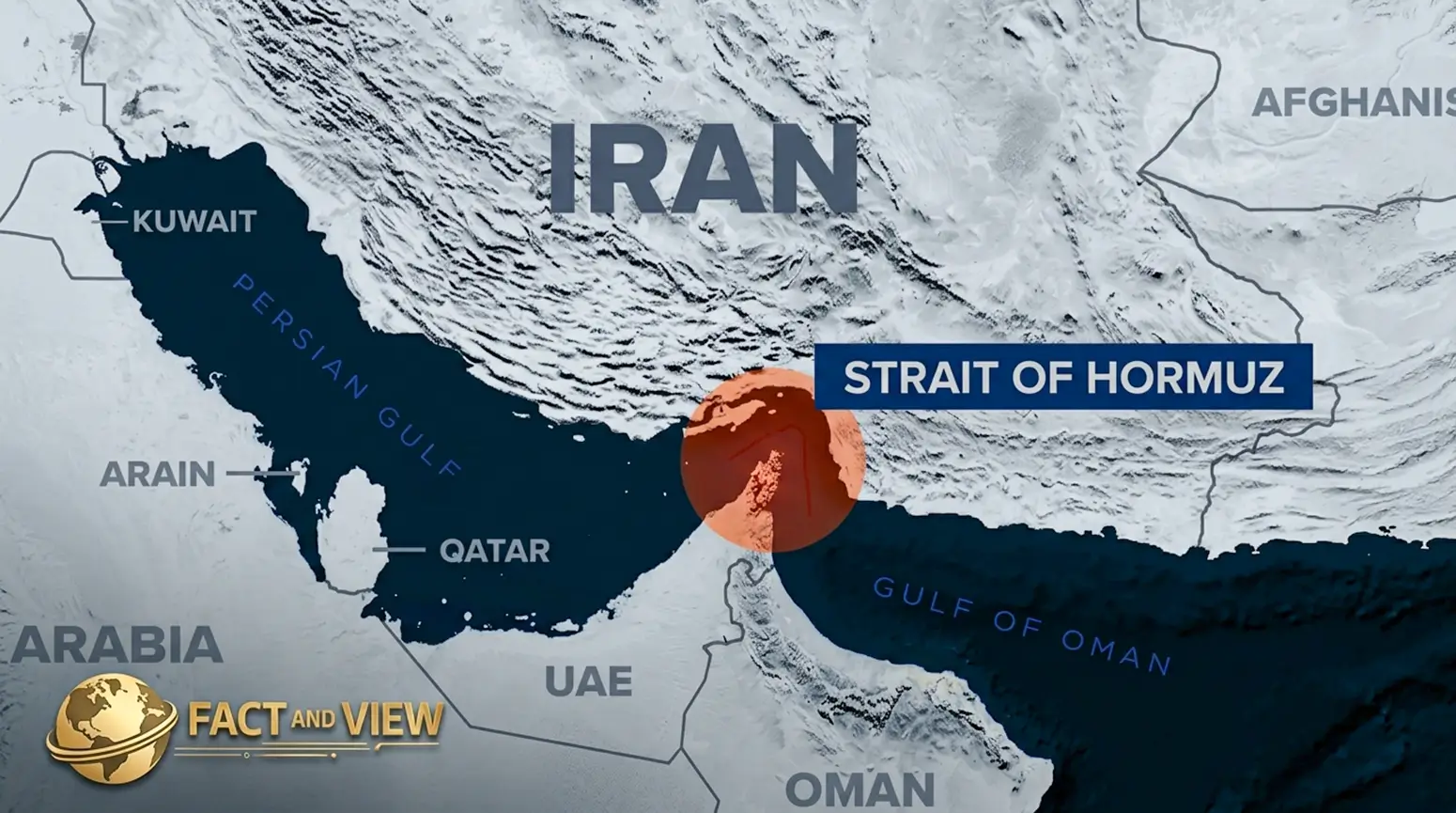
The Strait of Hormuz sits between Iran and Oman, and it’s barely 21 miles wide at its narrowest point. Despite its size, roughly a fifth of the world’s oil and natural gas passes through it every single day. Tankers from Saudi Arabia, Iraq, Kuwait, the UAE and Qatar all have to squeeze through this one channel to reach the open ocean. When something threatens that route, energy traders everywhere start paying attention — and so does your wallet.
Right now, something is threatening it. On Wednesday, oil prices ticked up for a fourth straight day as investors tried to make sense of conflicting signals coming out of Tehran and Washington. Brent crude, the international benchmark, climbed to around $91 a barrel, while U.S. crude (West Texas Intermediate) rose to roughly $85 — both landing at their highest levels since late July.
Who do you believe?
Here’s where it gets messy. President Trump said flatly on Tuesday that the Strait of Hormuz is open and that no talks are currently happening with Iran. Iran, meanwhile, insists the waterway remains effectively shut to shipping. A temporary ceasefire between the two sides expired on Monday, and a senior Iranian official told reporters that the country is shifting to what he called a “fully offensive” military posture. So far there haven’t been fresh strikes reported by either side, but the diplomatic freeze itself is enough to spook markets — oil traders hate uncertainty even more than they hate bad news.
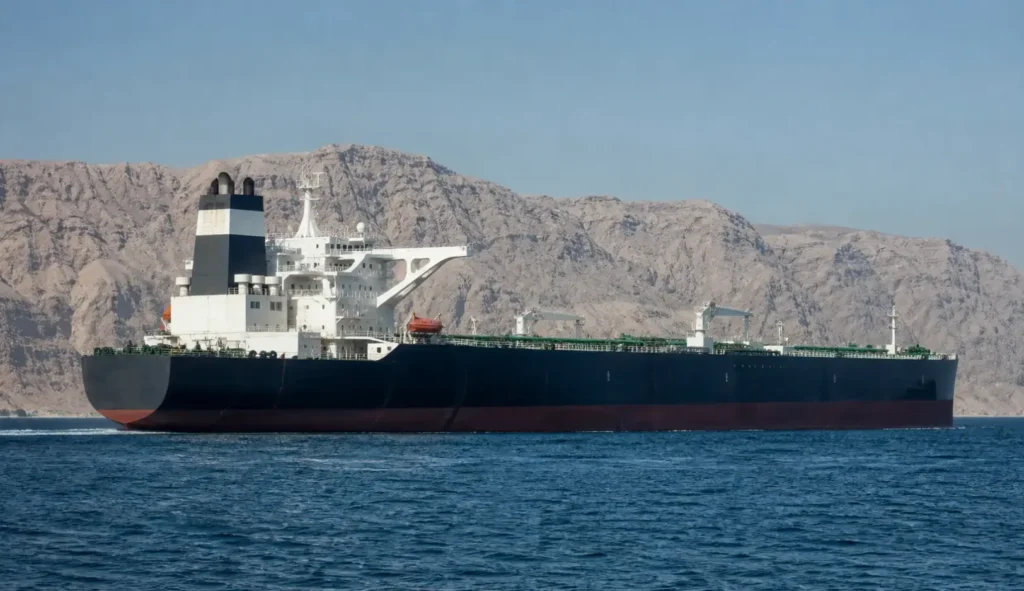
One detail says more than any official statement: two major Chinese shipping companies have quietly stopped sending their oil tankers through Hormuz altogether. Instead, they’re picking up cargo outside the Gulf entirely. When shipping companies start rerouting around a chokepoint rather than risk it, that’s usually a bigger warning sign than anything coming out of a press conference.
Related reading: Is It Too Late to Invest in AI Stocks? — how capital-intensive infrastructure buildouts across the technology sector are testing investor patience with heavy near-term spending.
What this means at the pump
This isn’t some abstract Wall Street story — it’s already showing up in your driving budget. The national average for a gallon of regular gasoline sat at about $4.07 as of this week, according to AAA. That’s up from roughly $3.80 just a month ago, and it makes this the most expensive August for gas on record. Compared to a year ago, prices are up nationwide by about 30%.
Where you live makes a big difference in how much this stings. Drivers in California are paying north of $5.50 a gallon, with Hawaii and Washington state not far behind. On the other end, places like Texas, Indiana, Louisiana and Mississippi are still hovering in the $3.60 range — painful, but nowhere near West Coast territory.
Normally, gas prices start easing in late August as summer road trips wind down and refineries shift to cheaper winter-blend fuel. That seasonal relief usually shows up right about now. This year, tension in the Gulf is working against that pattern, keeping prices propped up even as demand cools.
The bigger picture
This didn’t come out of nowhere. Since fighting escalated between Iran and Israel earlier this year, the Strait of Hormuz has flickered between “open,” “partially open,” and “obstructed” multiple times, with oil prices swinging wildly along the way — briefly topping $98 a barrel back in the spring before easing off. Each time a ceasefire has looked close, prices have cooled; each time talks have collapsed, they’ve climbed right back. This week looks like another one of those collapses.
Markets will get a clearer read soon. The U.S. Energy Information Administration releases official inventory data Wednesday morning, and analysts expect crude stockpiles to have fallen slightly last week — another sign that supply is tightening even before you factor in the Hormuz risk.
What to watch next
For everyday drivers, the honest answer is that nobody knows exactly where this goes next. If diplomats find their way back to the table and the strait stays genuinely open, prices could ease back toward summer levels fairly quickly. If tensions escalate further, or if more shipping companies start avoiding the region the way those Chinese firms did, $4-plus gas could become the new normal well into the fall.
Either way, it’s worth remembering that a lot of what shows up on your local gas station sign traces back to decisions and standoffs happening in places most of us will never visit. Keep an eye on the news out of Tehran and Washington over the next few days — it’s likely to move the price at your pump before it moves anything else in your life.
Continue reading from Fact and View:
- Is It Too Late to Invest in AI Stocks? — the broader AI infrastructure investment landscape SpaceX’s orbital computing bet is now part of
- Where Smart Money Is Moving Right Now — how institutional investors are positioning across major technology and infrastructure plays
- Is the Stock Market Overvalued? — valuation context for premium-priced growth stocks navigating their first years as public companies
Disclaimer: This article is for informational and educational purposes only and does not constitute financial, investment, or trading advice. Oil prices, gas prices, and geopolitical developments referenced here reflect information available as of the time of publication and are subject to change rapidly. Readers should not make investment, business, or financial decisions based solely on this content and are encouraged to consult a licensed financial advisor and verify current market data before acting. The situation involving Iran, the United States, and the Strait of Hormuz is fluid and evolving; for the latest developments, please refer to primary news sources such as Reuters, AAA, and the U.S. Energy Information Administration (EIA).