
A week defined by executive assertion: a new federal push to accelerate AI, an unprecedented ban on three news organizations from the White House, an Arctic security deal years in the making, and a Congress racing to clear its desk before the midterms.
Trump Announces an “AI Force” and an AI Czar
President Trump used a lengthy Truth Social post Saturday to announce he is forming an “AI Force” — modeled, he said, on the Space Force he created in his first term — and will soon name an artificial intelligence czar, adding that “only High I.Q. individuals need apply.” The move lands directly against last week’s warnings from inside the AI industry itself: Trump dismissed those concerns as a “hoax,” said his administration would not “hinder or stifle” the sector’s growth, and argued existing criminal and civil law is sufficient to address bad actors. He framed AI as the next industrial revolution and predicted it could eventually account for as much as 25% of US GDP, with China competition as the central justification. The White House has not said what the AI Force would actually do, what budget it would have, or where it would sit in the federal government. Notably, the administration already had an AI and crypto czar — venture capitalist David Sacks — who stepped down earlier this year after hitting the time limits on his special-government-employee status. Meanwhile, states are moving in the opposite direction: California Gov. Gavin Newsom signed an executive order Friday expanding state oversight of the industry, including directing a task force to consider requiring a “kill switch.”
Data centers / electricity costs → How Tariffs Actually Raise Prices and 2027 Social Security COLA as part of the site’s affordability cluster
CNN, MS NOW, and Politico Barred From the White House
Trump announced Friday that CNN, MS NOW, and Politico were banned from the White House “effective immediately,” citing what he called “FICTION and LIES” in their coverage. He declined to name any specific story that prompted the decision — telling reporters there was “no reason” he announced it that day — and suggested The New York Times and The Washington Post could be next. On Saturday morning, the ban became real: reporters from all three outlets were turned away at Secret Service checkpoints and had their press passes confiscated. The White House Correspondents’ Association called for access to be restored, First Amendment experts described the action as unconstitutional, and all three organizations signaled they would pursue legal action. Multiple current and former White House staffers told NBC News they had no advance warning of the move. The episode echoes two earlier fights the administration lost or is still litigating: CNN’s Jim Acosta won his press pass back in court in 2018, and the AP’s 2025 exclusion from the press pool remains in ongoing litigation.
Houthis / Red Sea / oil above $100 → US-Iran Deal: Will Reopening Hormuz Lower Gas Prices? and US This Week: Iran Tanker War, Moscow Talks, ICE Deaths
Houthis Tighten Their Grip on the Red Sea as Iran Heads to the UN
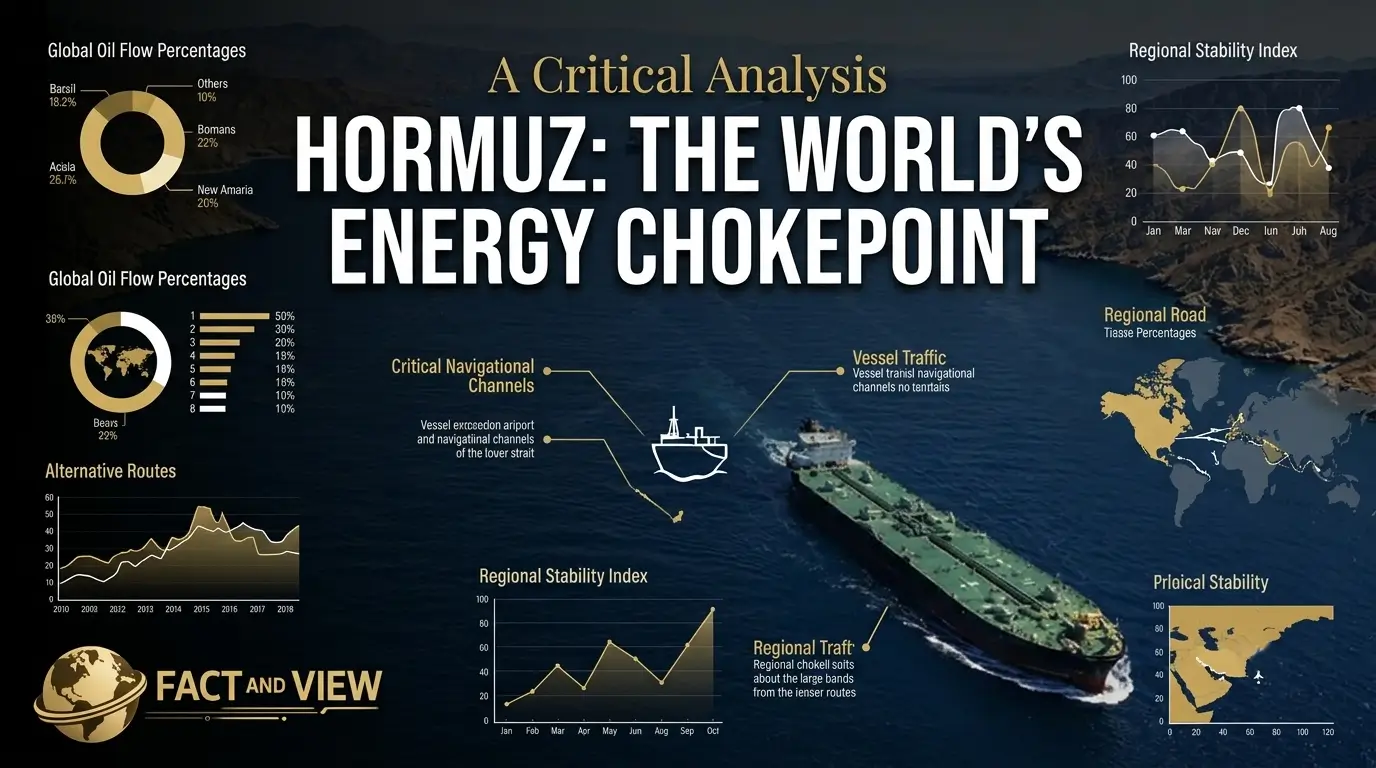
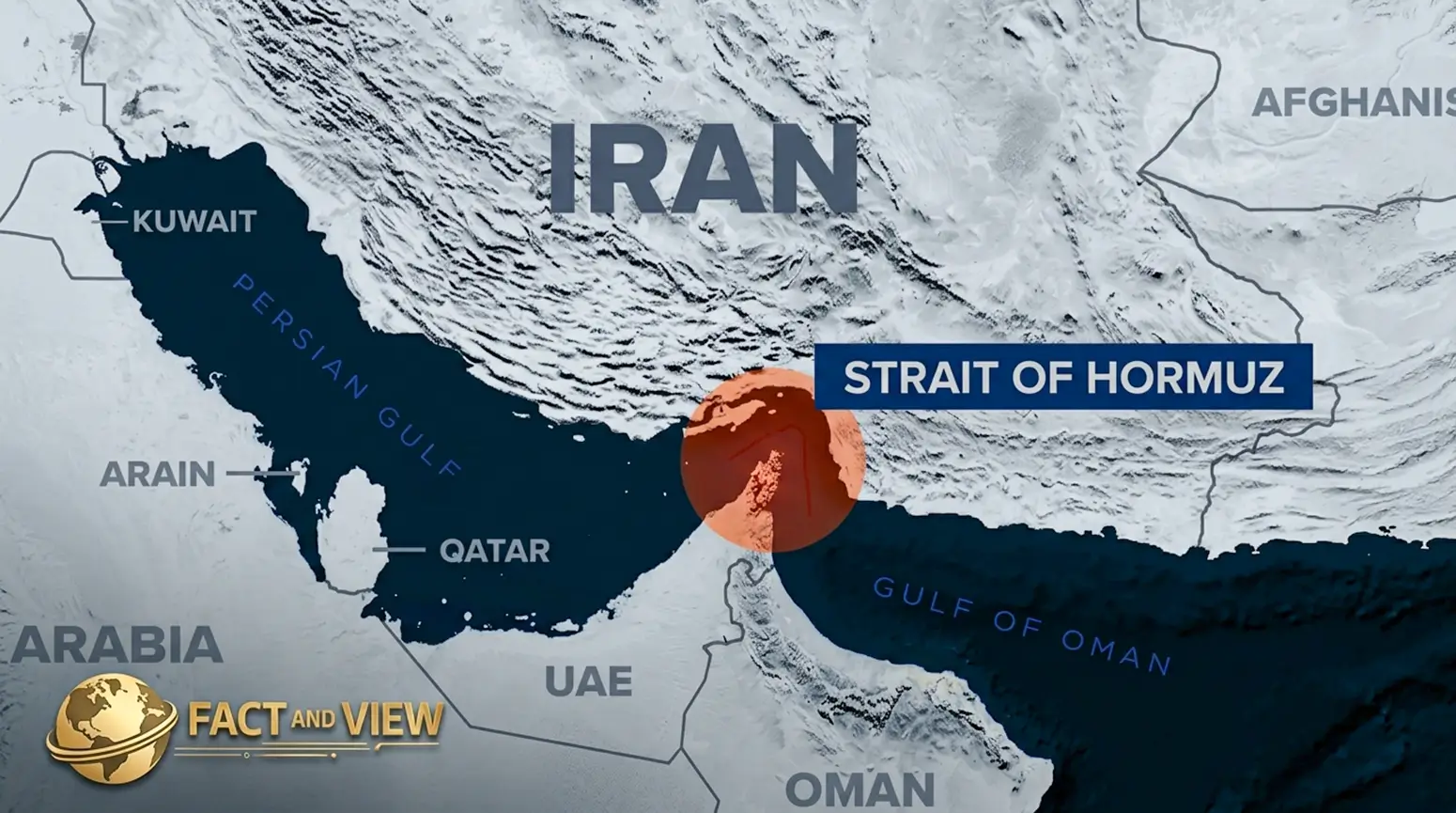
Yemen’s Houthi rebels seized the Greater and Lesser Hanish islands in the southern Red Sea this week, consolidating a rapid offensive that already gave them the port of Mokha and Perim island inside the Bab el-Mandeb Strait — a chokepoint carrying roughly 12% of world trade in peacetime, and the route Saudi Arabia has leaned on since Iran closed the Strait of Hormuz. Nearly 94,000 Yemenis have been displaced since fighting escalated this month, and repairs to a Saudi pipeline struck last week could take three to five weeks. US officials quietly met Houthi representatives at the American embassy in Muscat over the weekend, with Washington so far declining to intervene militarily. In a striking parallel move, the State Department approved visas for a scaled-down Iranian delegation — including President Masoud Pezeshkian and Foreign Minister Abbas Araghchi — to attend UN General Assembly High-Level Week in New York, citing host-country obligations. The delegation faces travel restrictions and a ban on luxury purchases. Palestinian Authority officials were again denied visas for the same event. Trump is expected to speak Tuesday; Pezeshkian is scheduled for Wednesday.
Greenland / NATO / Arctic → The NATO Loyalty Test: Inside the Pentagon’s New Strategy for Military Alliances — the single best match on the site for this story
US, Denmark, and Greenland Reach an Arctic Deal
After months of Trump refusing to rule out taking Greenland by force from a NATO ally, the three governments reached an agreement to expand the US military presence on the island. Trump said the deal gives the United States “permanent control over security, and all other needs, in Greenland.” The fine print is more balanced: the agreement explicitly recognizes Danish and Greenlandic sovereignty and the right to self-determination, keeps the territory in Denmark’s hands, bans any non-NATO base, and blocks Chinese and Russian investment and military presence. Secretary of State Marco Rubio called it a “historic deal.” It hasn’t been signed yet — the three governments expect to sign during UN week in New York, after which it still requires parliamentary approval in both Copenhagen and Nuuk before taking effect.
Midterms / affordability politics → Trump’s $5,000 Dividend: Who Will Really Pay? and US Debt Has Passed $40 Trillion
Congress Clears Its Desk Before the Midterms
In its final week in session before the November 3 midterms, the House passed the Ratepayer Protection Act 417-3 — the first data-center bill to clear a chamber this Congress, aimed at shielding households from electricity rate increases driven by AI data-center construction. The mechanism is softer than the vote total suggests: it works through a 1978 federal law that requires state utility regulators only to consider the standard, not adopt it, and the Senate has not acted. The politics are unambiguous, though. A New York Times/Siena poll this month found 61% of voters oppose data-center construction, and the bill’s sponsor, Rep. Gabe Evans of Colorado, is among the most vulnerable House Republicans. With oil still above $100 a barrel and affordability dominating the campaign, both parties wanted something on AI and energy costs to take home.
Source Links
- CNN — Trump’s AI Force and czar announcement
- Axios — what remains unknown about the AI Force’s structure and budget
- NBC News — David Sacks context and state-level AI regulation moves
- NPR — reporters denied White House access
- CNN Business — the ban announcement, Acosta and AP precedents
- NBC News — First Amendment backlash and WHCA response
- Euronews — Hanish islands seizure
- NPR — a week of Houthi gains and the threat to Saudi oil
- Al Jazeera — US-Houthi contacts in Muscat
- NBC News — visas for Iran’s UN delegation
- NPR — the US-Denmark-Greenland agreement
- France 24 — deal terms barring Chinese and Russian presence
- NBC News — Ratepayer Protection Act vote
- CNBC — data centers as a midterm election issue