The global geopolitical landscape experienced a severe stress test this week as long-simmering tensions boiled over into direct military action. Investors and policymakers are rapidly adjusting to a volatile mix of Middle Eastern kinetic conflict, energy supply shocks, and heightened domestic security threats. Here are the core insights from the past seven days that will shape macroeconomic trends in the weeks ahead.
1. The Persian Gulf Flashpoint: U.S.-Iran Direct Escalation
- What Happened: Following repeated attacks on commercial vessels, President Donald Trump officially terminated previous agreements with Iran. In response to the escalation, the U.S. launched massive airstrikes against military targets inside Iranian territory, triggering retaliatory missile strikes on U.S. and allied bases in the Persian Gulf.
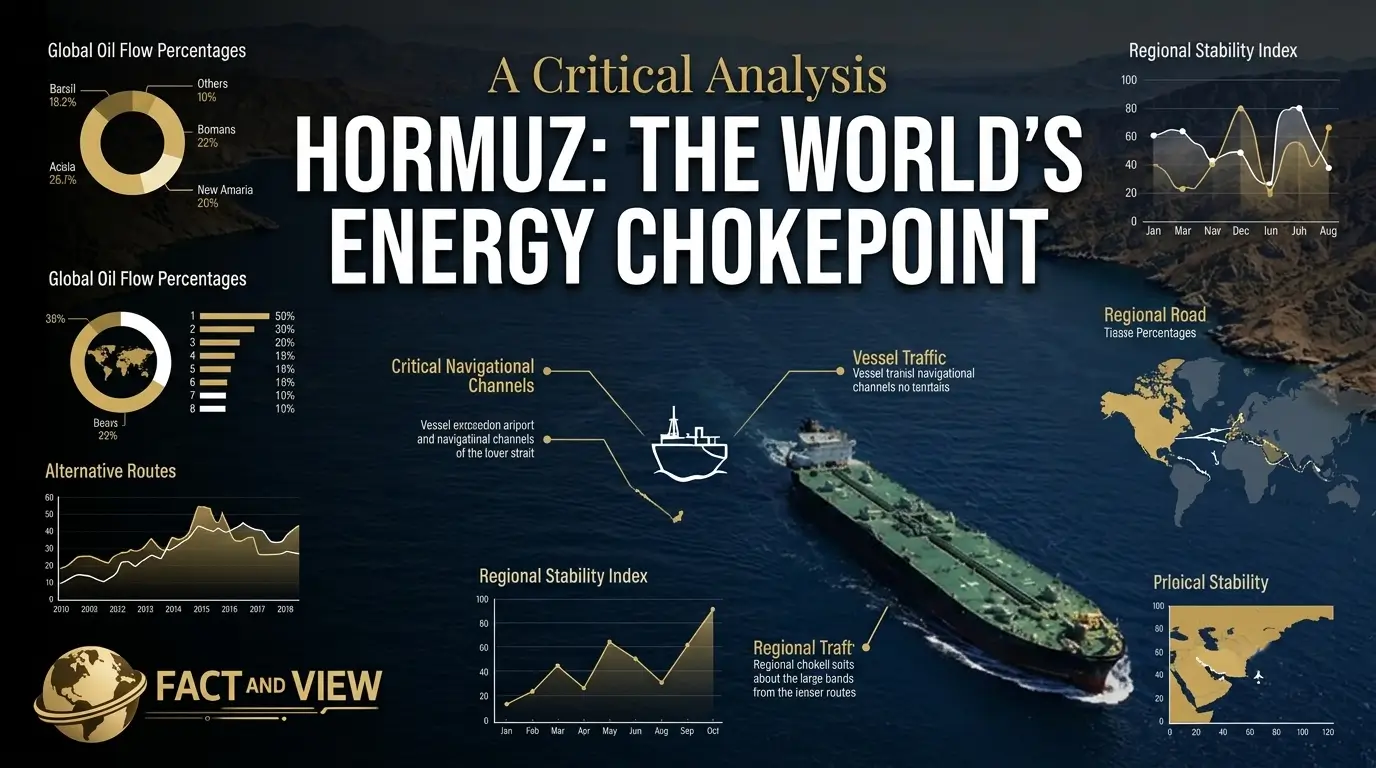
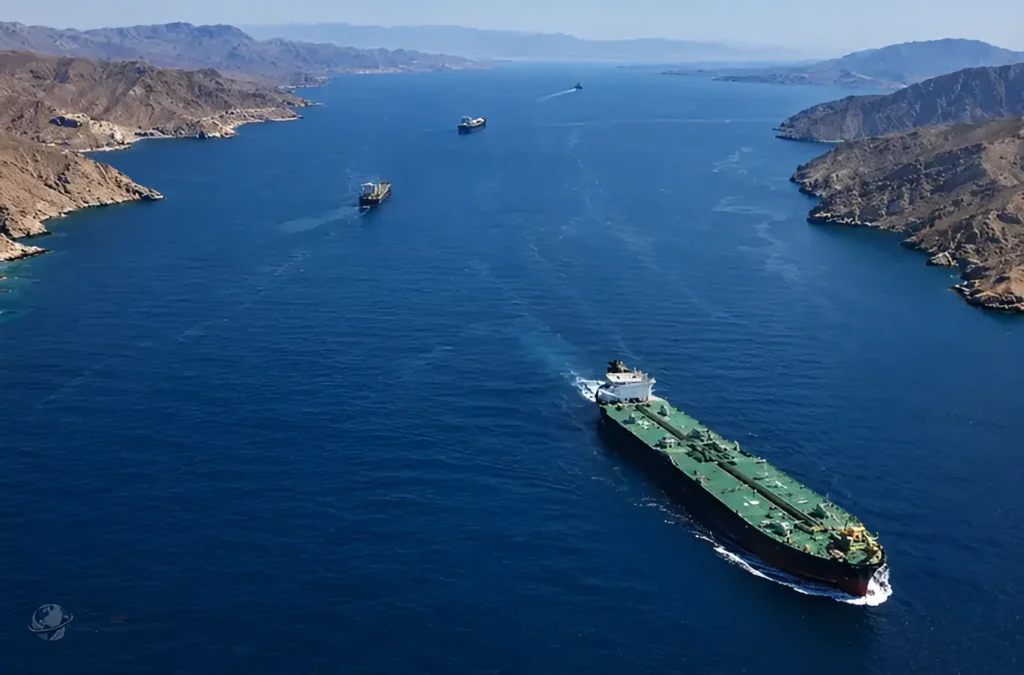
- Why It Matters / The Hidden View: This shifts the conflict from a proxy war to a dangerous direct confrontation. The breakdown of maritime safety in the Strait of Hormuz directly threatens 20% of the world’s petroleum liquid consumption, raising the risk of prolonged regional supply chain blockades.
2. Energy Shock: Oil and Fuel Prices Surge
- What Happened: Against the backdrop of active hostilities in the Persian Gulf, global crude benchmarks spiked sharply. This immediately reversed the recent downward trend at U.S. pumps, causing retail gasoline prices to creep upward again.
- Why It Matters / The Hidden View: Higher energy costs act as an immediate tax on consumers and businesses. If sustained, this oil shock will complicate the Federal Reserve’s battle against inflation, potentially forcing central banks to keep interest rates higher for longer, stalling economic growth.
3. Strategic Realignment: NATO Summit in Turkey
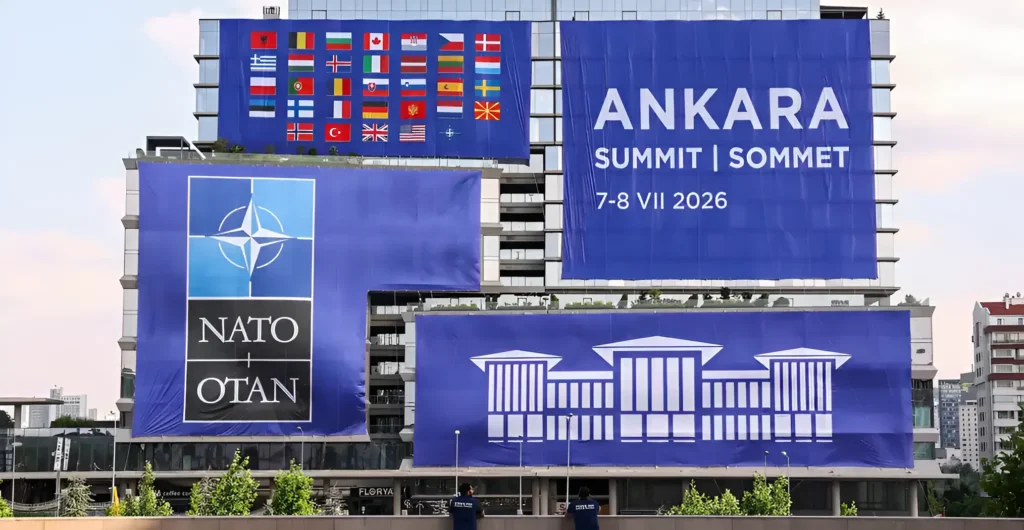
- What Happened: NATO leaders gathered for an emergency summit in Turkey amid the outbreak of the U.S.-Iran war. Discussions focused heavily on collective defense strategies, reducing European military dependence on Washington, and reinforcing long-term support for Ukraine.
- Why It Matters / The Hidden View: The summit signals a structural fragmentation within Western defense. European allies are realizing they must accelerate internal strategic autonomy as the U.S. military pivots its focus and resources heavily toward the Middle East.
4. Domestic Threat: Large-Scale Terror Plot Foiled in Washington
- What Happened: The FBI disrupted a major domestic security threat, charging eight individuals with plotting a multi-targeted attack on the White House and a major UFC tournament during U.S. Independence Day celebrations.
- Why It Matters / The Hidden View: Beyond the immediate security relief, this event has reignited an intense public debate over domestic surveillance and border security. Increased threat levels in major cities usually lead to stricter regulations and lower consumer spending on public entertainment/tourism sectors.
5. Market Turbulence: SEC, Fed, and Corporate Restructuring
- What Happened: The U.S. SEC and the Federal Reserve held crucial policy discussions regarding macro inflation risks. Concurrently, major stock indices experienced high volatility driven by a wave of corporate restructuring announcements.
- Why It Matters / The Hidden View: Markets are trapped between corporate earnings adaptability and macroeconomic fear. Companies are aggressively cutting costs and restructuring to survive the combined pressure of geopolitical uncertainty and sticky inflation.
How do you think the escalating tensions in the Persian Gulf will affect global markets next week? Share your thoughts in the comments below.
🌐 Sources:
- U.S.-Iran Conflict & Trump’s Announcement: Reported via official updates from U.S. Central Command (CENTCOM), CNN Business, and CNBC Politics regarding the termination of the maritime MoU.
- NATO Emergency Summit: Coverage of the alliance’s defensive realignment and discussions in Ankara, Turkey, via Reuters and NPR News.
- Washington D.C. Security Briefing: Official federal charges and investigation data released by the Federal Bureau of Investigation (FBI) and documented by The Guardian.
- Energy & Commodity Markets: Real-time crude oil benchmarks and retail fuel charts provided by Bloomberg Energy and the International Energy Agency (IEA).
- Macroeconomic Guidance: Transcripts of policy briefings on inflation risks from the U.S. Federal Reserve (Fed) and Securities and Exchange Commission (SEC).