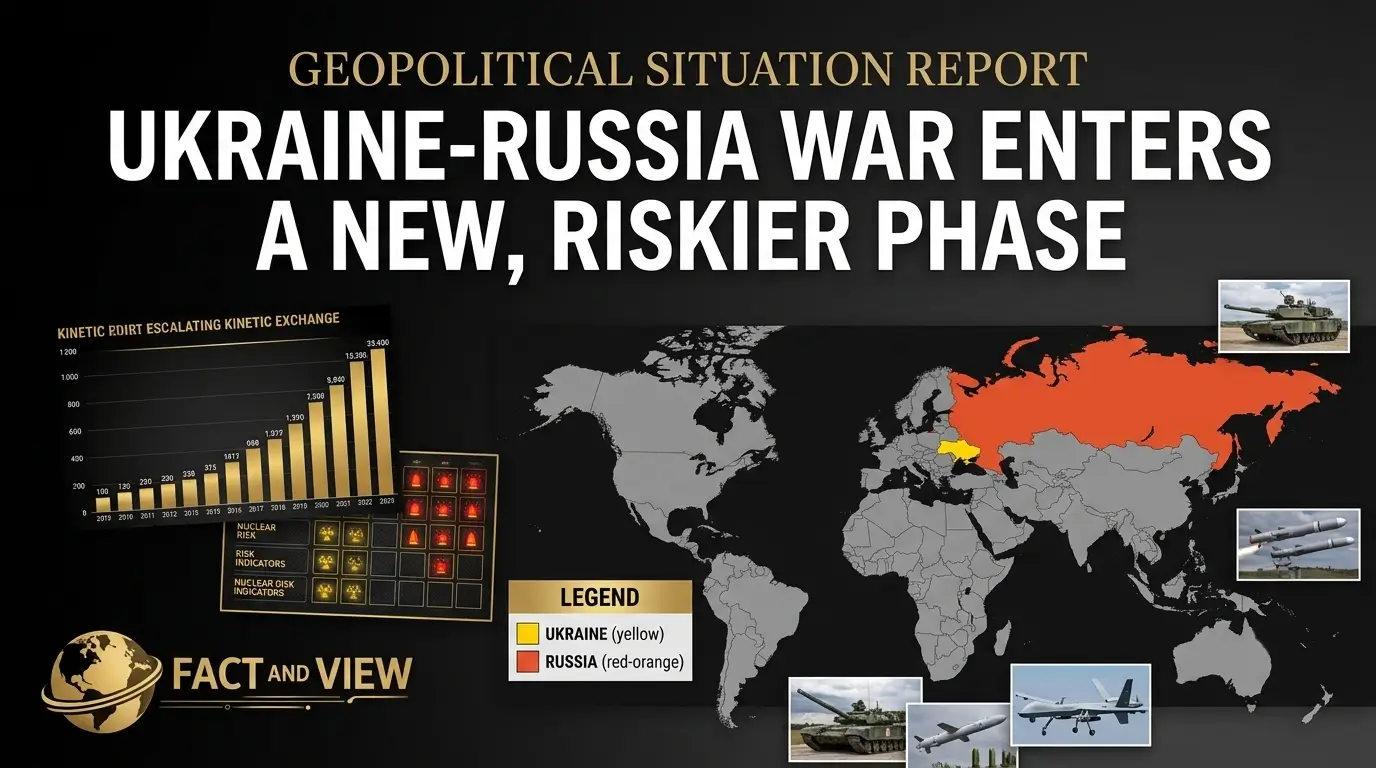
Four and a half years into Russia’s full-scale invasion, the war in Ukraine has quietly shifted shape. Neither army is racing toward a decisive battlefield breakthrough anymore. Instead, both sides appear to be maneuvering for position ahead of winter, each trying to walk into any future truce talks from a position of strength rather than weakness. That shift matters for anyone watching the news, because it helps explain why Russian missile barrages on Kyiv and Ukrainian drone strikes deep inside Russia have both intensified at the same time diplomats are talking about a possible ceasefire.
Here’s a breakdown of the key forces shaping the war’s next phase, and why the coming months could be among the most consequential since the invasion began.
The Front Line: Frozen, But Not for Lack of Trying
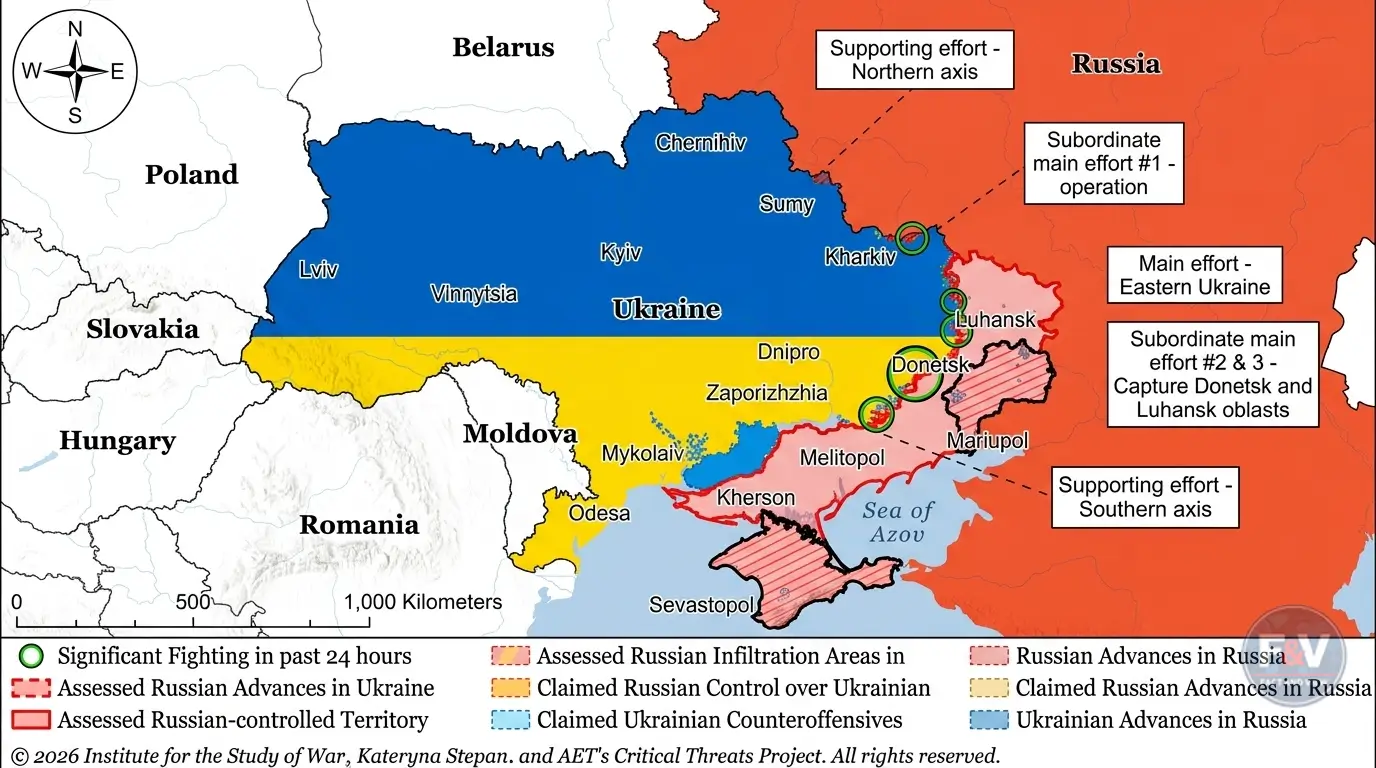
Despite Moscow’s continued offensive pressure, Russia’s territorial gains have slowed to a crawl. Multiple independent trackers, including the Institute for the Study of War and Ukraine’s DeepState monitoring group, estimated Russian net advances in June 2026 at only around 30 square kilometers, a fraction of the hundreds of square kilometers Russian forces were gaining per month through 2025. Some analysts even recorded a net Russian territorial loss during parts of the spring, as Ukrainian counterattacks in the Zaporizhzhia and Dnipropetrovsk regions offset Russian gains near Kharkiv and the contested Donetsk city of Kostyantynivka.
In plain terms: Russia is still attacking, and still absorbing heavy losses to do it, but the map is barely moving. Ukrainian Commander-in-Chief Oleksandr Syrskyi has said Ukrainian forces recaptured more territory than they lost in parts of 2026, a claim partially corroborated by Western open-source analysts, even as fighting remains fierce and costly in the eastern “fortress belt” cities that anchor Ukraine’s defensive line.
Related reading: Russia’s War Losses: What the Latest Data Reveals
Russia’s Answer: More Pressure on Ukrainian Cities
With the ground war largely stuck, Russia has leaned harder into long-range missile and drone strikes on Ukrainian cities. In early July, Russian strikes on Kyiv killed more than a dozen civilians and damaged over 100 residential buildings, according to Ukrainian officials, part of a broader pattern of escalating attacks on civilian infrastructure that Ukraine’s government says is intended to wear down public morale rather than achieve a military objective. Moscow has described these strikes as retaliation for Ukraine’s own attacks on Russian territory.
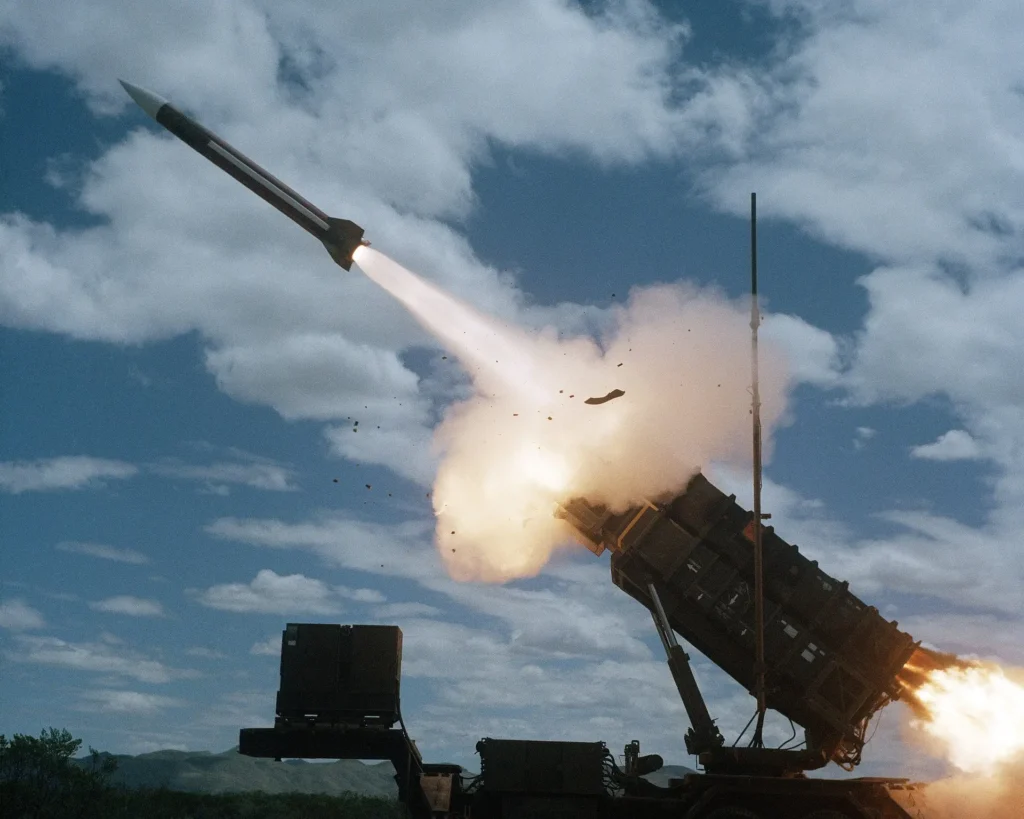
Kyiv, for its part, has pushed for more Western air defense systems, particularly Patriot batteries, arguing that Ukrainian forces can intercept most drones and cruise missiles but remain far more vulnerable to Russian ballistic missiles.
Ukraine’s Deep-Strike Campaign Is Reaching Further Than Ever
If Russia’s strategy has shifted toward pressuring Ukrainian cities, Ukraine’s has shifted toward choking off Russia’s ability to fund and fuel its war machine. On July 6, Ukrainian Special Operations Forces struck Russia’s largest oil refinery in Omsk, deep in Siberia, in what Ukraine’s military described as its longest-range strike of the war, with drones reportedly traveling around 2,700 to 3,000 kilometers to reach the target. It was, notably, the last of Russia’s eleven largest gasoline-producing refineries that had not previously been hit.
The Omsk strike was part of a coordinated wave of attacks that also hit Russian oil facilities in the Yaroslavl region, port infrastructure on the Baltic Sea, and fuel and military targets in Russian-occupied Crimea. These strikes build on a longer campaign: Reuters has reported that at various points in 2026, a significant share of Russia’s oil export capacity has been disrupted by Ukrainian drone attacks on refineries and export terminals.
The cumulative effect has been a fuel crunch inside Russia itself. Multiple outlets have documented gasoline shortages, fuel rationing, and long lines at gas stations in several Russian regions, along with power outages in border areas like Belgorod. Russian officials have publicly acknowledged the strain; Deputy Prime Minister Alexander Novak described the situation in the fuel market as difficult but under control.
The Kremlin’s September Problem
Russia’s economic strain is arriving at an especially inconvenient moment for the Kremlin. State Duma elections are scheduled for September 18-20, 2026, the first parliamentary vote since the war began. Independent Russian outlets, including Meduza, have reported that senior security officials, including figures close to Russia’s National Guard, privately lobbied President Vladimir Putin to postpone the vote given economic pressure and sliding approval for the ruling United Russia party, whose support has reportedly fallen from around 40% at the war’s start to the low-to-mid 30s in more recent polling. The Kremlin has publicly denied that any postponement is under serious consideration, and Putin himself has signed a decree confirming the September date, reportedly viewing the vote as a symbol of the state’s stability, particularly given Moscow’s argument that Ukraine, by contrast, has not held wartime elections of its own.
Whether or not the vote is ultimately delayed, the reporting illustrates a Kremlin balancing act: continuing the war and projecting strength domestically, while facing rising economic costs that are becoming harder to hide from Russian voters.
Washington’s Clock Is Also Ticking
The Kremlin isn’t the only capital watching a political calendar. U.S. midterm elections are scheduled for this coming November, and the Trump administration has repeatedly signaled a desire to show progress toward ending the war, whether through a full peace deal or at least a durable ceasefire. President Trump has held recent phone calls with both Zelenskyy and Putin, and told reporters this week that a resolution is “getting closer than people realize.”
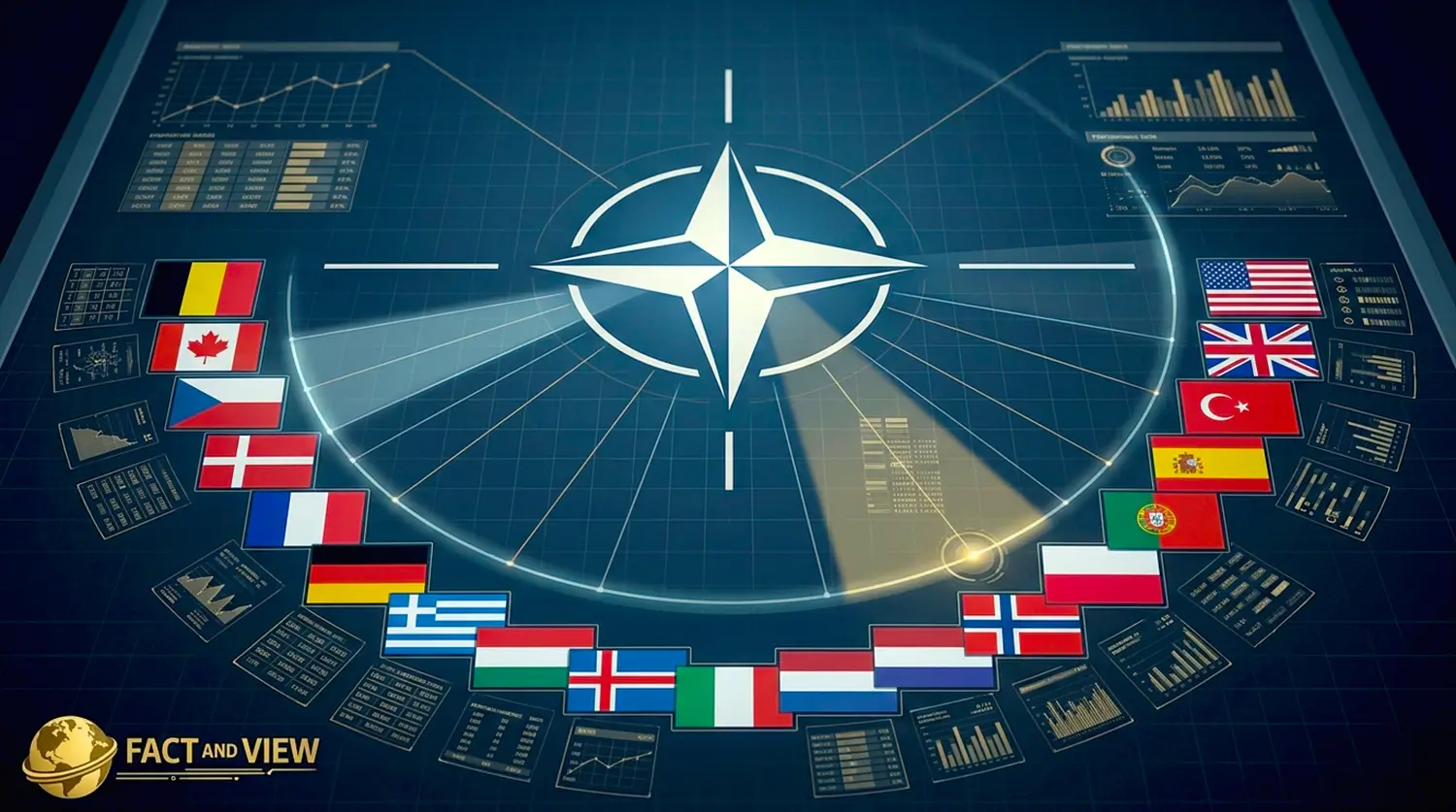
This context helps explain the timing of high-level diplomacy at NATO’s annual summit, held this year in Ankara, Turkey, on July 7-8. Trump is meeting separately with Zelenskyy on the summit’s sidelines, an encounter Ukrainian officials say will focus on securing more air defense systems and continuing discussions about how the war might end. It’s worth noting that experts disagree on how close a deal actually is: some Western officials point to Ukraine’s improved battlefield position as leverage for better terms, while others caution that neither Moscow nor Kyiv has signaled readiness for the kind of compromises a lasting truce would require.
What a Future Truce Might Hinge On
Taken together, these threads point to a war entering what might be called a “pressure phase,” where both sides are trying to shape the terms of an eventual truce rather than win outright on the battlefield. Ukraine’s goal, according to its own officials, is to demonstrate that Russia cannot sustain its offensive tempo without paying an escalating price, both militarily and economically. Russia’s apparent counter-strategy is to demonstrate resilience: continuing strikes on Ukrainian cities and energy infrastructure to signal that it will not be pressured into concessions.
Analysts broadly agree on a few things: Russian territorial momentum has slowed significantly compared to 2025; Ukraine’s long-range strike capability has expanded dramatically; and Russia’s domestic fuel and economic situation is under real strain heading into a politically sensitive election season. Where experts disagree is on how these pressures translate into diplomacy, whether they will push Russia toward serious negotiations, harden its resolve, or simply extend the war’s current, grinding phase into another winter.
The Bottom Line
Neither Ukraine nor Russia appears able to force a quick, decisive end to the war through battlefield gains alone. Instead, both sides are using strikes, economic pressure, and international diplomacy simultaneously, betting that some combination of military cost, domestic political pressure, and outside mediation will eventually bring the other side to the table on favorable terms. With Russian elections in September, U.S. midterms in November, and ongoing diplomatic contacts through NATO and direct U.S.-Russia channels, the next few months are likely to be closely watched by policymakers in Washington, Kyiv, Moscow, and Brussels alike.
Continue reading from Fact and View:
- What Happens If US Debt Keeps Rising? — how dollar reserve erosion directly affects the financing of the $39 trillion national debt
- Fed Rate Hikes: Fighting Inflation or Slowing Growth? — the Fed independence questions intersecting with dollar policy debates
- Where Smart Money Is Moving Right Now (2026 Update) — the institutional gold-buying trend directly connected to dollar diversification
Sources
- Reuters / CNBC — “Ukrainian drones hit Russia’s largest oil refinery in Omsk, Siberia”
- NPR — “Russia’s missile and drone attacks on Ukraine kill at least 22”
- The Moscow Times — “Ukraine Strikes Russia’s Largest Oil Refinery in Western Siberia”
- Kyiv Post — “Ukraine Hits Russia’s Largest Oil Refinery for First Time in Record 3,000 Km Drone Strike”
- Ukrainska Pravda — “Ukrainian drones hit Russia’s largest oil refinery after traveling 3,000 km to Omsk”
- Euronews — “Ukraine frontline frozen in June as Russian momentum falters”
- Foreign Policy — “Ukraine’s U.S. Ambassador on Zelensky’s NATO Summit Priorities”
- Al Jazeera — “NATO summit begins in Turkiye’s Ankara: Who is attending, what is at stake?”
- The Hill — “Trump to meet with Volodymyr Zelensky, Ahmed al-Sharaa at NATO Summit”